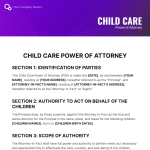
Exploring the Responsibilities of a Power of Attorney in Utah: A Guide for Agents
Acting as a power of attorney (POA) agent in Utah comes with significant responsibilities and legal implications. Whether you’re stepping into this role for a family member, friend, or someone else, understanding the scope of your duties is important. This guide breaks down the essentials of being a POA agent, clarifying what you need to know to fulfill your responsibilities effectively.
Understanding the Basics of Power of Attorney
A power of attorney is a legal document that allows one person to act on behalf of another in various matters. In Utah, there are different types of POA, including durable, medical, and limited POAs. The type dictates the extent of your authority.
Durable POAs remain effective even if the principal becomes incapacitated, while medical POAs specifically grant powers related to healthcare decisions. Limited POAs, on the other hand, are confined to specific tasks or time frames. Understanding these distinctions is key to knowing your role as an agent.
Key Responsibilities of a POA Agent
As a POA agent, your primary duty is to act in the best interests of the principal. This includes making financial decisions, managing assets, and sometimes making healthcare choices. Here are some core responsibilities:
- Acting in Good Faith: Always prioritize the principal’s needs and wishes.
- Keeping Accurate Records: Document all transactions and decisions made on behalf of the principal.
- Communicating Effectively: Maintain open lines of communication with the principal, if possible, and any relevant parties.
- Staying Informed: Keep up to date with the principal’s financial situation and healthcare needs.
- Making Decisions: Use sound judgment when making decisions that affect the principal’s life.
Legal Obligations You Must Follow
Your role as a POA agent isn’t just about making decisions; it’s also about adhering to legal standards. In Utah, there are specific laws governing how you must conduct yourself in this position. Here’s what you need to keep in mind:
First, you must avoid conflicts of interest. If a situation arises where your interests conflict with those of the principal, you must disclose this and potentially recuse yourself from that decision.
Second, Utah law requires that you keep the principal’s finances separate from your own. Mixing funds can lead to legal complications and allegations of fraud.
Understanding Financial Management
Managing finances is one of the most significant responsibilities of a POA agent. This involves paying bills, managing investments, and making sure taxes are filed on time. It’s essential to have a good grasp of the principal’s financial situation.
Consider using resources like Utah dpoa pdf to familiarize yourself with the necessary forms and guidelines for handling financial matters in Utah. This can help ensure you’re equipped to manage the principal’s assets effectively.
Navigating Healthcare Decisions
When it comes to healthcare, your role can be both rewarding and challenging. As a medical POA agent, you’ll need to make decisions regarding treatments, medications, and care facilities. This requires knowledge of the principal’s health conditions, preferences, and values.
It’s vital to maintain ongoing conversations about healthcare wishes while the principal is still able to communicate. Understanding their values will guide your decisions if they become incapacitated.
Potential Challenges and How to Handle Them
Being a POA agent isn’t always straightforward. You might encounter challenges such as disagreements with family members or unexpected changes in the principal’s health. Here are a few strategies to manage these issues:
- Document Everything: Keep detailed records of all decisions and communications.
- Communicate Openly: Discuss any concerns with family members to prevent misunderstandings.
- Seek Professional Advice: Don’t hesitate to consult with legal or financial professionals when in doubt.
When to Consider Revoking Power of Attorney
There may be times when it’s necessary to revoke a power of attorney. This could be due to a change in circumstances or the principal regaining capacity. To revoke a POA in Utah, the principal must execute a written revocation and communicate this to the agent and relevant third parties.
Being aware of the signs that a POA should be revoked is vital. For example, if the principal feels uncomfortable with the agent’s decisions or if there’s a breach of trust, it may be time to consider revocation.
closing thoughts on Being a POA Agent
Serving as a power of attorney agent is a significant responsibility that requires diligence, integrity, and a commitment to acting in the best interests of the principal. Familiarizing yourself with legal obligations and understanding the scope of your authority can help you manage this role more effectively. By being proactive, maintaining clear communication, and seeking resources as needed, you can fulfill your duties with confidence.